Brought to you in collaboration with WaterHog. We only partner with brands that reflect our values and standards, ensuring content that benefits you.
In This Article
The Company That Started The Bi-Level Revolution1. It Actually Scrapes Dirt Off Your Shoes
2. Heat-Flow Manufacturing Prevents Crushing and Separation
3. Water Goes Down And Stays Down
4. No More Muddy Footprints In Your House
5. Works Everywhere, Year-Round
Yes, It Costs More (Here’s Why It’s Worth It)
The Exclusives Collection Represents Peak Performance
Your expensive doormat is shedding coconut fibers across your entryway again. Meanwhile, muddy footprints somehow make it past your “high-quality” flat mat and onto your floors. You’ve replaced three doormats this year alone or just given up and are dealing with the mess. There’s a solution that’s been quietly outperforming everything else for nearly four decades.
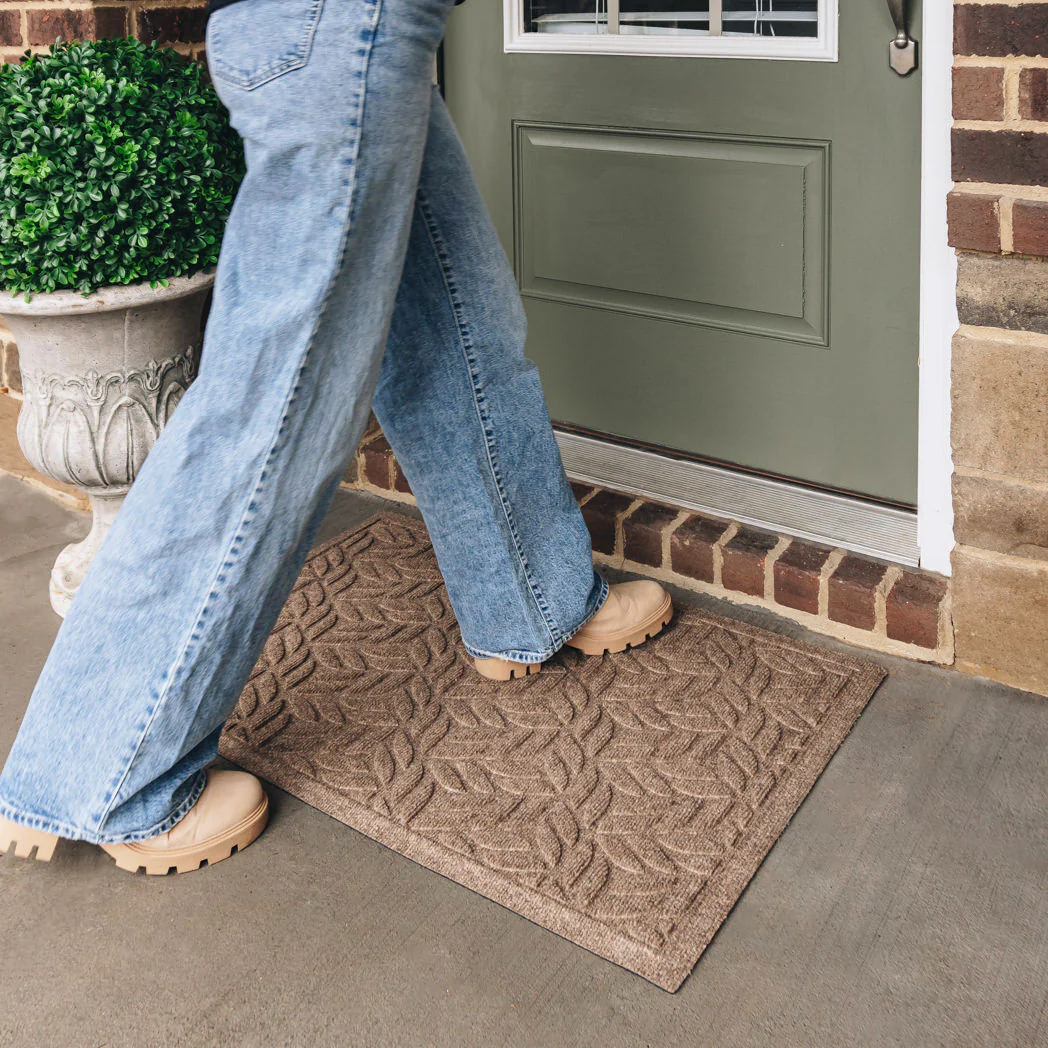
It’s called bi-level doormat technology. Instead of the flat surface you’re used to, it features raised areas that actually scrape dirt off your shoes and sunken channels that trap the mess below where you walk. This isn’t just a design tweak. It’s an entirely different approach to how doormats work.
The Company That Started The Bi-Level Revolution
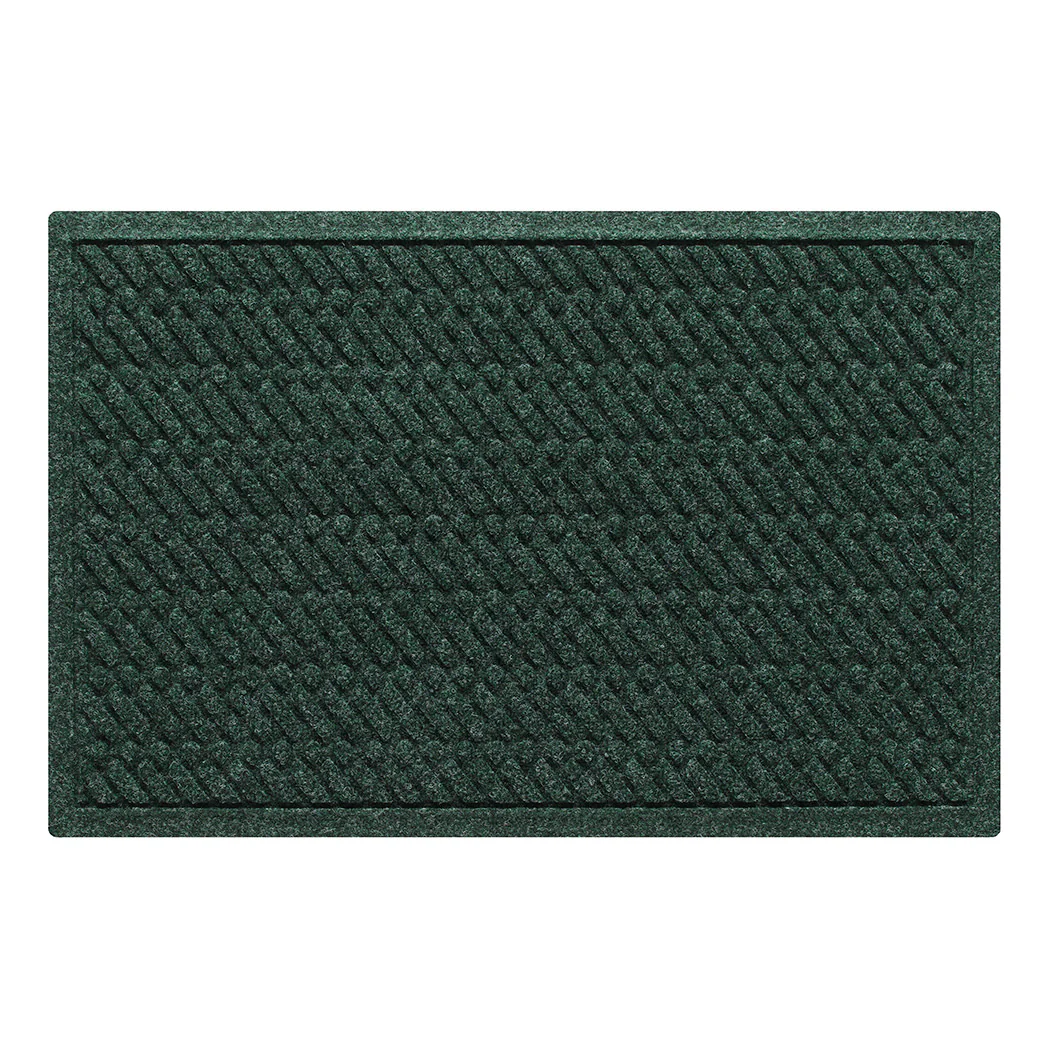
WaterHog invented bi-level doormat technology in 1986 and has spent nearly four decades perfecting the manufacturing process. The technology works through five key advantages:
- Raised nubs that physically dig into shoe treads instead of relying on surface friction
- Recessed channels that collect debris below walking level, where it can’t transfer back
- Heat-fused construction that prevents crushing and surface separation
- Universal performance across all weather conditions and debris types
- Professional-grade durability that outlasts multiple cheap mat replacements
1. It Actually Scrapes Dirt Off Your Shoes
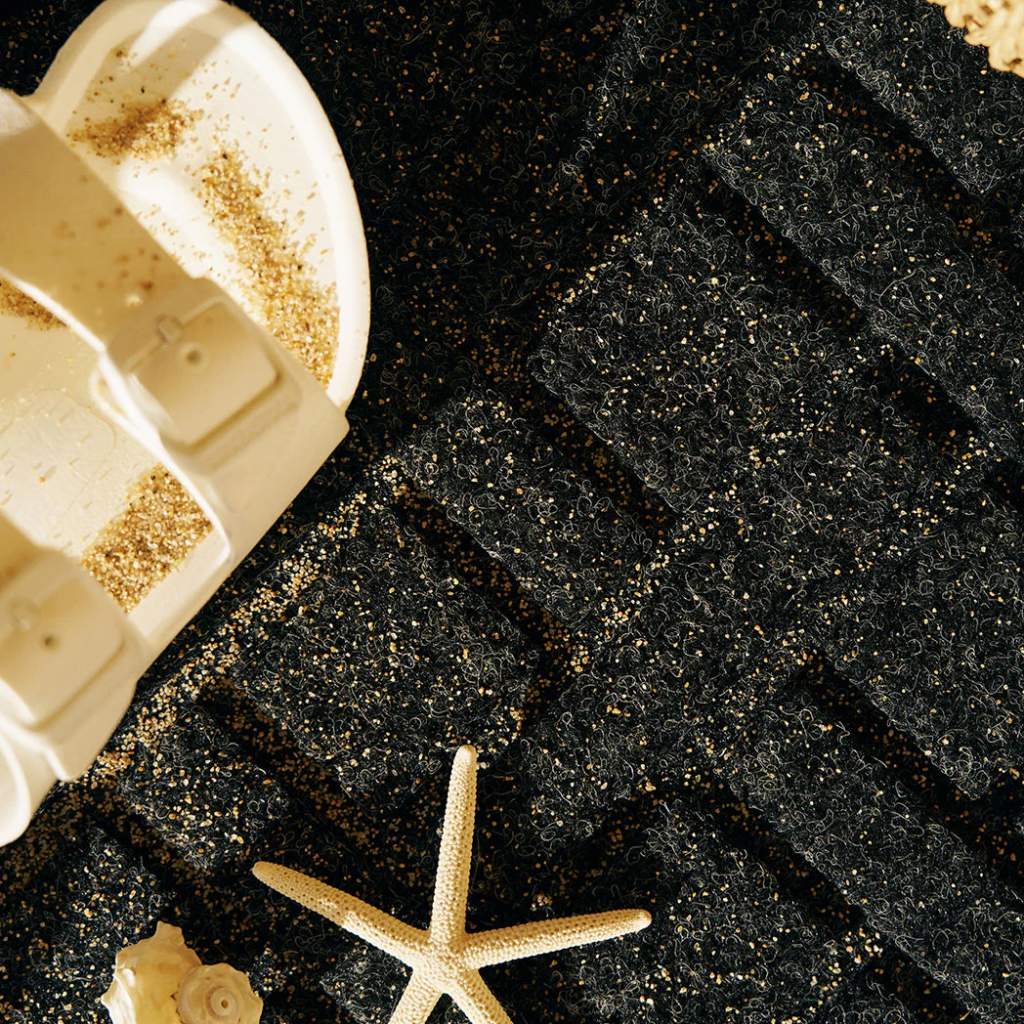
Traditional flat mats rely on surface friction to remove dirt, which sounds reasonable until you face off against caked mud, road salt, or debris wedged into shoe treads. Here’s the reality: Flat surfaces can only make contact with the high points of your shoe sole, leaving all those grooves and treads completely untouched.
Bi-level mats solve this through pure mechanical advantage. Raised nubs create multiple contact points that physically dig into shoe treads, mechanically scraping contaminants from even the deepest grooves. It’s like the difference between wiping a dirty plate with a flat cloth versus using a textured scrubber.
The WaterHog mat’s PET fiber raised elements maintain their rigidity for years, unlike fabric alternatives that flatten under use and lose their effectiveness. The rubber compound maintains traction and flexibility through freeze-thaw cycles and temperature swings from -20°F to 160°F.
2. Heat-Flow Manufacturing Prevents Crushing and Separation
Most mats on the market cut corners during manufacturing. They glue a surface layer onto vinyl or rubber backing, which seems fine at first, but creates weak points that inevitably fail. With time and temperature changes, the adhesive loosens, the edges lift, the backing cracks, and the mat starts falling apart.
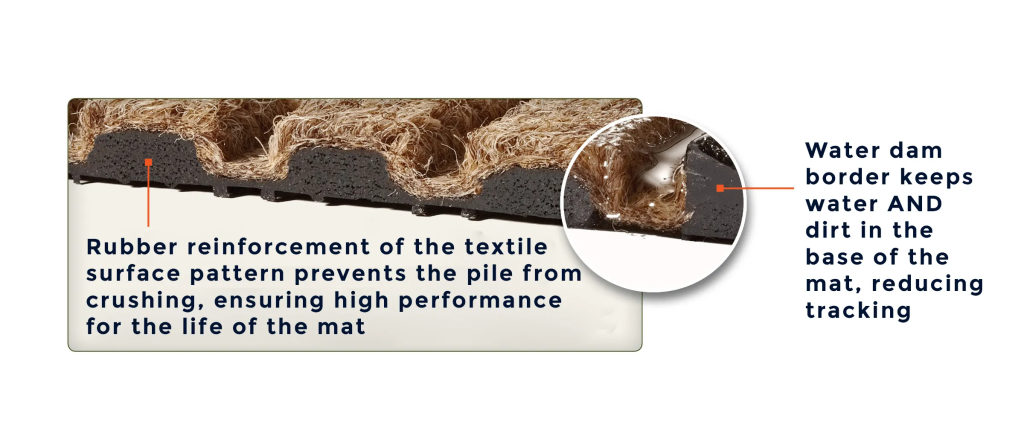
WaterHog does it differently. During production, the rubber backing is heated to over 300°F, allowing it to flow into and around every PET fiber. Instead of sitting on top, the fibers are locked into the rubber itself. This does two things:
- Prevents Crushing — Because the base of every raised nub is reinforced by rubber, the textured scraping surface stays rigid and functional even under years of heavy foot traffic. Your bi-level mat stays bi-level instead of flattening out.
- Creates a Permanent Bond — The rubber and fibers fuse at a molecular level, eliminating the risk of peeling, delaminating, or separating. The surface and backing become one solid structure.
Compare that to imitators: Their glued layers eventually split, the raised texture collapses (since it’s just fabric), and you’re left with a flat mat that can’t scrape or trap debris. This is why WaterHog mats routinely outlast multiple replacement cycles of cheaper alternatives.
3. Water Goes Down And Stays Down

Standard doormats attempt to absorb moisture at the surface level, but they quickly saturate and begin releasing water with each footstep. Each WaterHog bi-level doormat features a dual-zone system, where the PET fiber surface makes initial contact while gravity pulls water down into recessed channels below the walking surface.
The rubber backing extends up into these channels, creating waterproof collection zones. This separation means you’re always stepping on relatively dry raised areas while the bulk water storage happens in the protected channels below. One Florida user noted, “I needed a heavy-duty mat where it pours regularly and there’s lots of sand. My WaterHog doesn’t show dirt or sand.”
The water dam border keeps collected moisture and debris contained within the mat’s base, reducing tracking throughout your home. Unlike surface-absorbing mats that release trapped water when stepped on, the channel system maintains separation between clean walking areas and contaminated storage zones.
4. No More Muddy Footprints In Your House
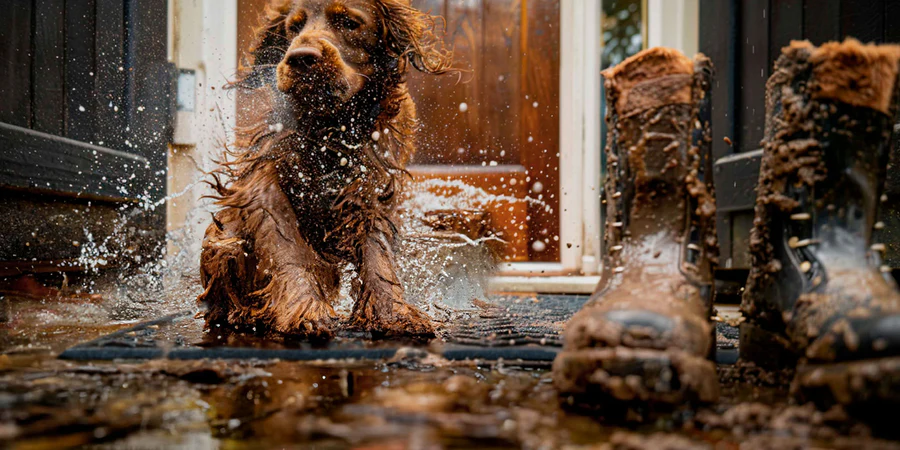
Traditional mats have no mechanism to prevent re-contamination. Debris sits on the surface, ready to transfer back onto clean shoes. Bi-level design solves this through containment engineering. Once scraped loose, dirt and moisture fall into the channels and stay there. The raised walking surface creates a barrier that prevents your feet from coming into contact with the trapped debris.
This containment system works even with heavy foot traffic. Each step activates the scraping action without releasing previously captured contaminants. The recessed channels act like tiny moats, isolating the mess below the walking plane where it can’t migrate back onto footwear or into your home.
The design prevents the common flat mat problem where debris gets pressed into the surface fibers, creating a contaminated layer that transfers onto every subsequent shoe. With bi-level technology, contamination flows downward and stays contained.
5. Works Everywhere, Year-Round
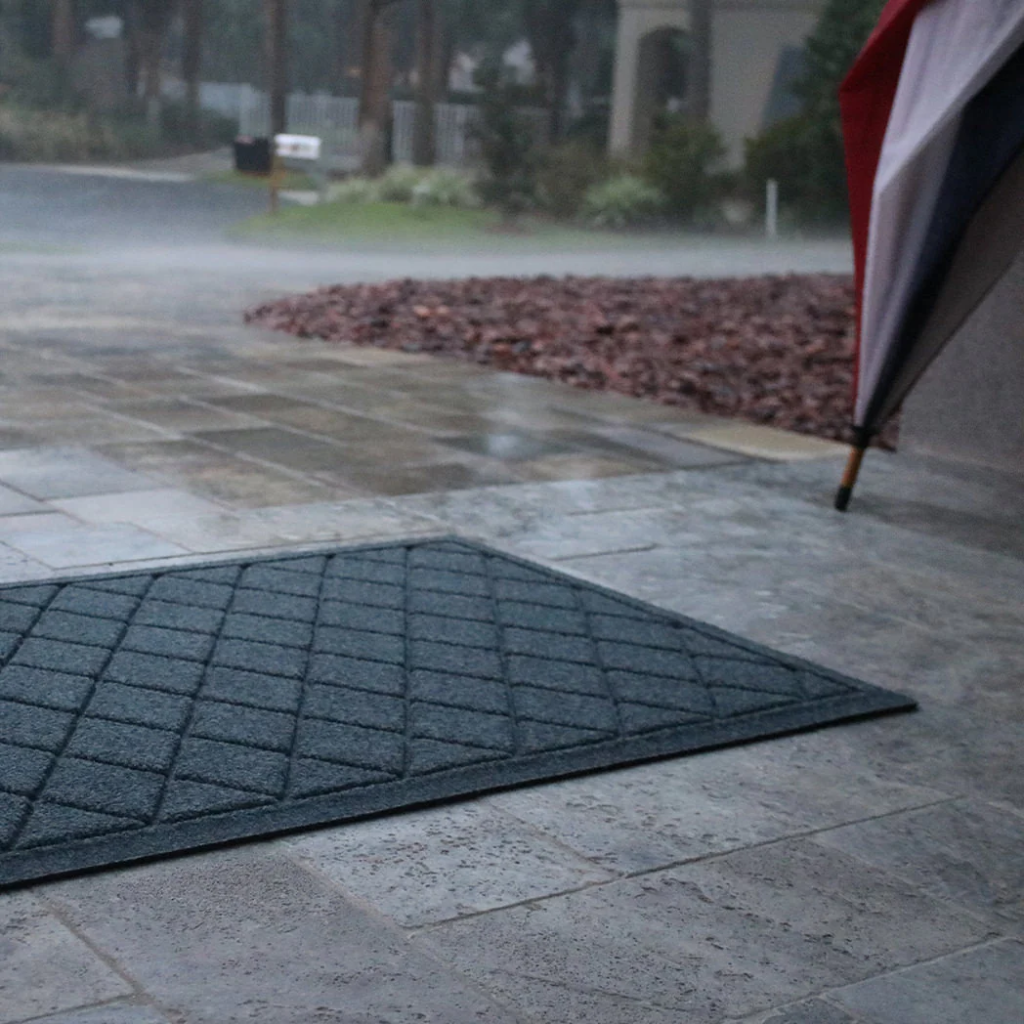
The same bi-level doormat works everywhere year-round: front door, pool deck, garage entrance, or mudroom. Unlike traditional mats that excel in one situation but fail in others, the technology adapts to different messes and moisture levels. Spring pollen clogs flat mats, summer poolside dripping creates waterlogged surfaces, fall leaves decompose and stick, and winter salt corrodes inferior materials.
The PET fiber surface resists staining, fading, and degradation from UV exposure, chlorine, salt, and temperature extremes. Whether facing desert sand, coastal salt spray, or urban grime, the mat maintains consistent performance without specialized cleaning or maintenance requirements.
As one customer shared, “After a very wet winter and spring, we finally decided to take the plunge. Well worth the money. It’s sturdy, easy to clean, and I can just hose this off and let it dry.” The versatility extends to indoor applications where the same technology handles pet hair, food debris, and household dirt with equal effectiveness.
Yes, It Costs More (Here’s Why It’s Worth It)
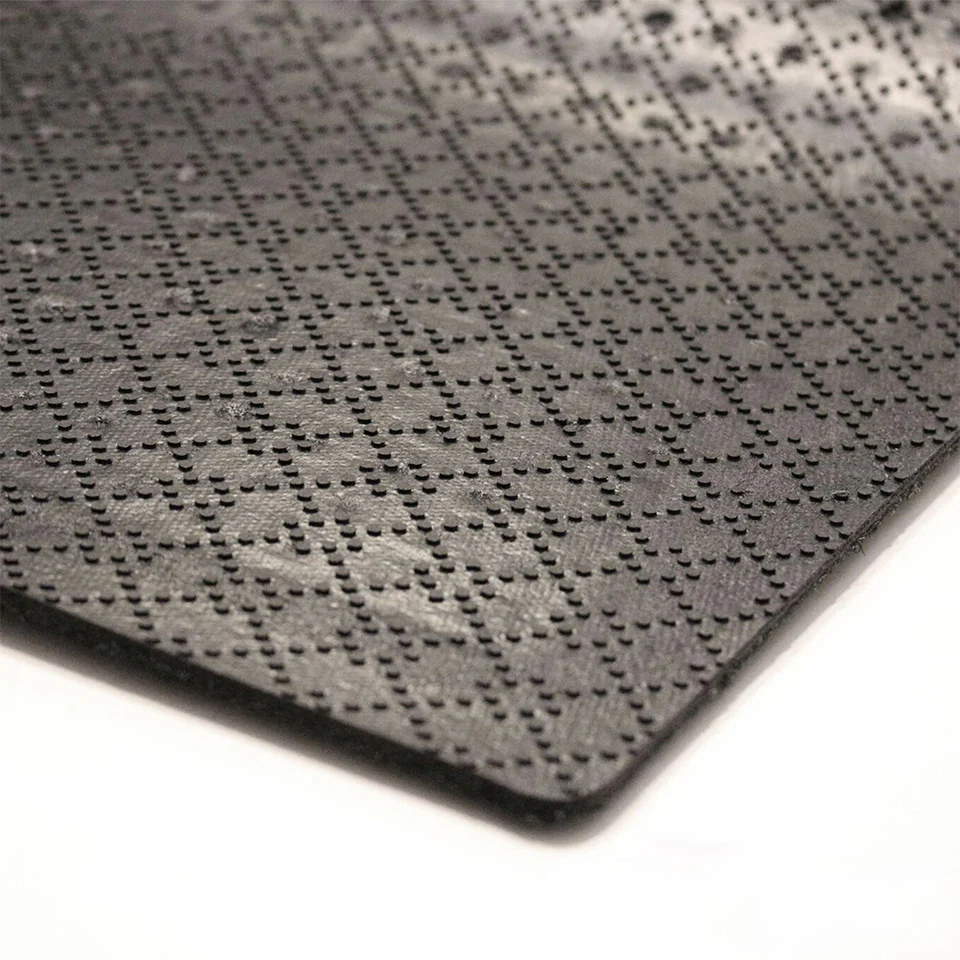
The WaterHog bi-level doormat starts at $45 for medium sizes (23” × 35”) and increases to around $170 for extra-large formats (45” × 70”). This represents a higher upfront investment compared to $20–40 imported alternatives, but the annual cost justifies the price.
Cheap mats typically last 6–12 months before shedding, curling, or falling apart. At $30 annually for replacements, you’ll spend $150–300 over five years while dealing with constant performance issues. The WaterHog mat costs more initially but often outlasts multiple replacement cycles of cheaper alternatives.
WaterHog backs this investment with a satisfaction guarantee and a 60-day return policy. Independent reviews consistently rank WaterHog among the top performers when compared to premium alternatives from major retailers.
The Exclusives Collection Represents Peak Performance
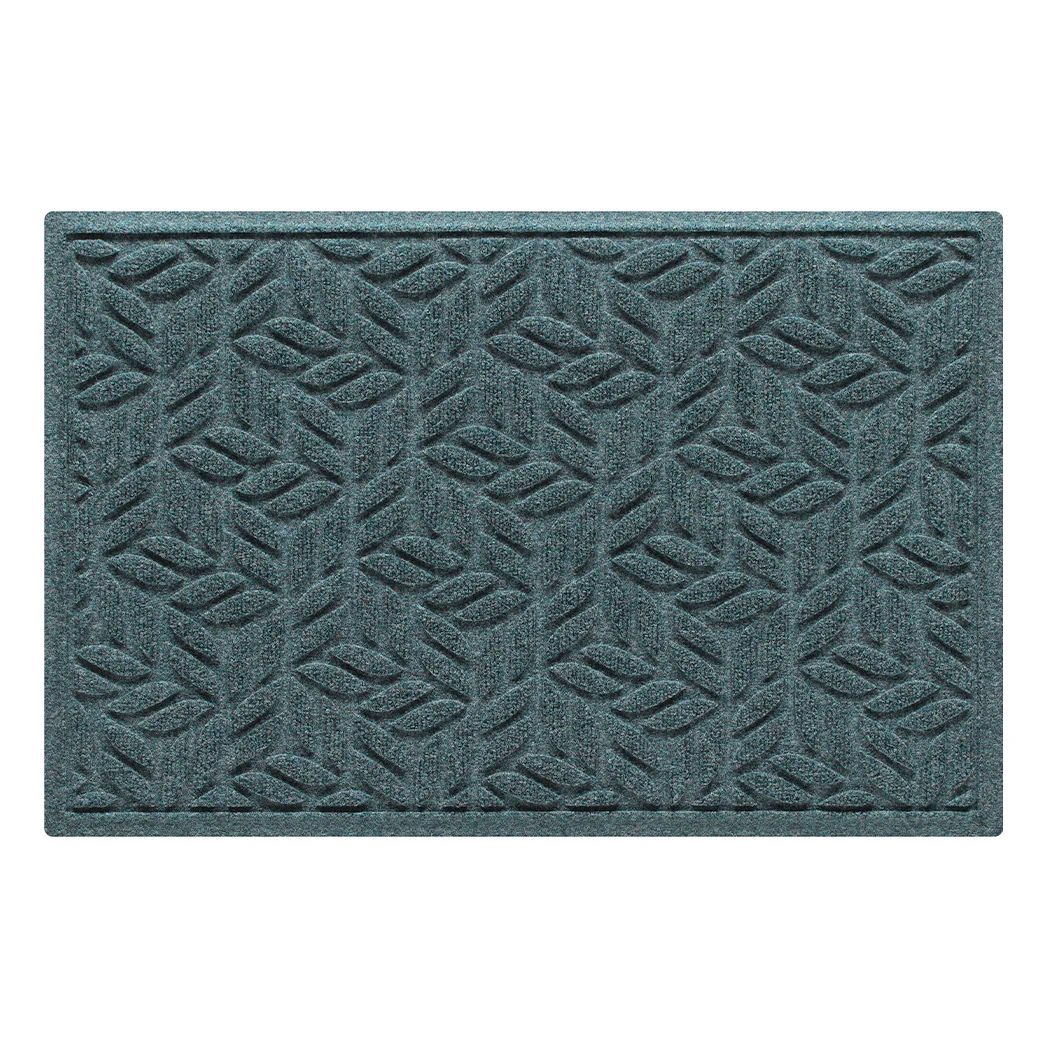
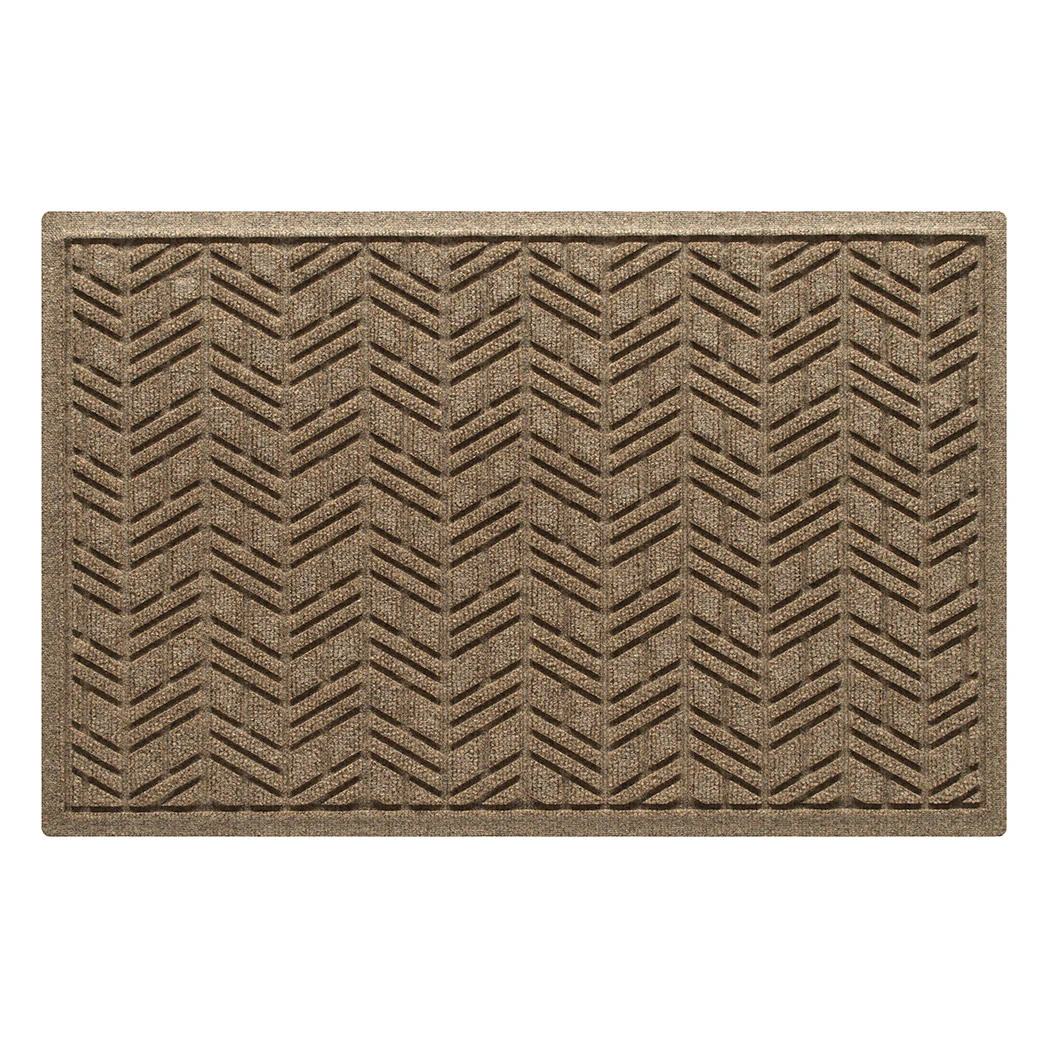
WaterHog’s Exclusives Collection includes designs like the Canopy and High Rise, featuring refined aesthetics that complement modern home design while maintaining the legendary durability of bi-level technology. These premium models combine four decades of manufacturing refinement with contemporary styling that works equally well at luxury condos and suburban family homes.
American manufacturing ensures consistent quality control and sustainable material sourcing, while domestic production means faster shipping and reliable customer service. Third-party testing validates WaterHog’s leadership position, with mats consistently outperforming premium alternatives in real-world conditions.
For those interested in bi-level technology at its finest, the WaterHog Exclusives Collection offers unmatched performance, quality service, and proven value.