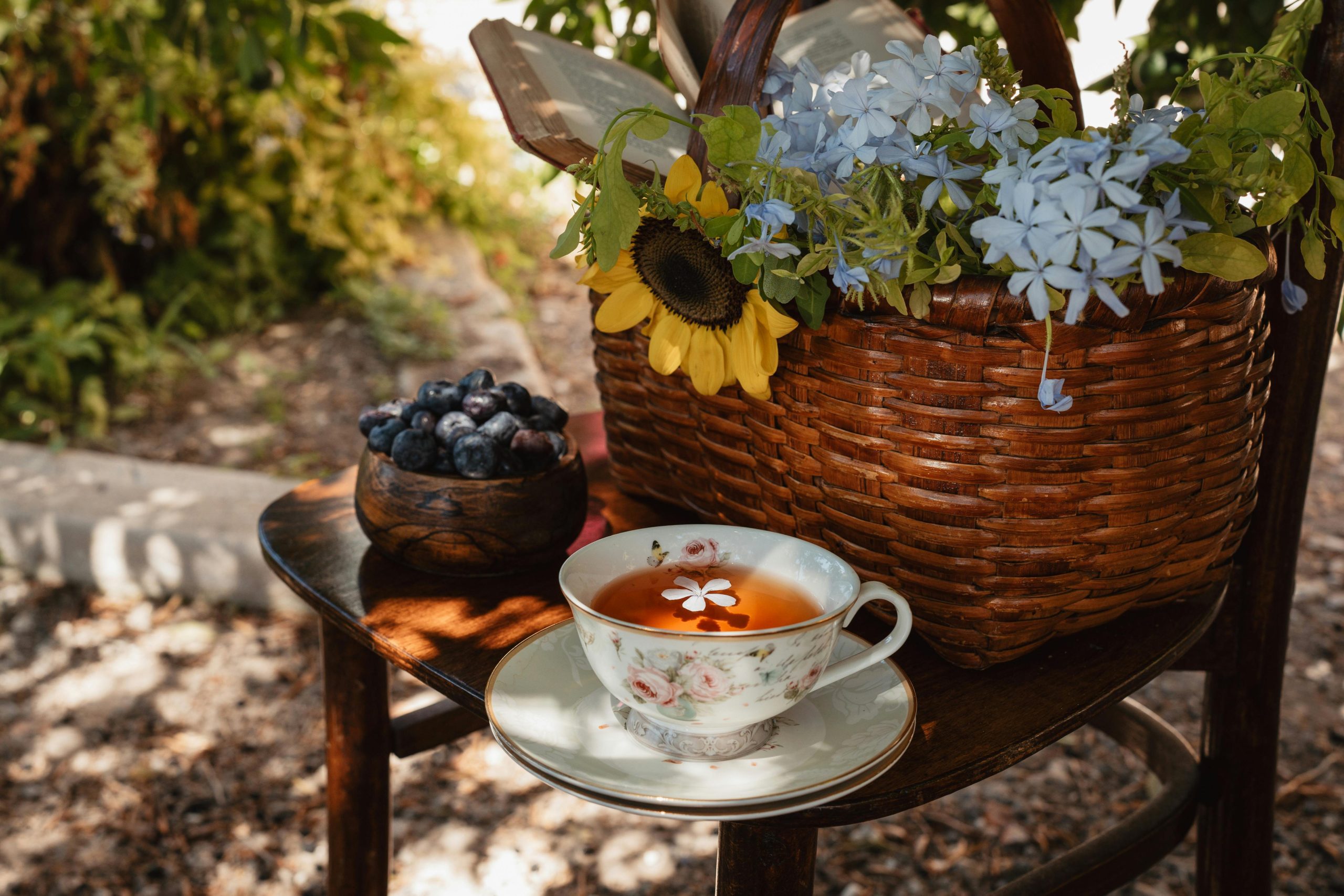

There’s something magical about sipping a cup of tea infused with herbs and leaves harvested from your own backyard. Beyond the flavors and aromas, growing your own tea garden offers a mindful and rewarding experience—one that connects you to nature while promoting sustainability and wellness. Whether you’re looking to cultivate a few herbal plants on a balcony or establish a full-fledged tea garden, this guide will help you grow, harvest, and brew your own fresh tea.

Why Grow Your Own Tea?
A home tea garden isn’t just about convenience—it’s about quality, sustainability, and wellness. When you grow your own tea, you control the entire process from soil to sip, ensuring that your tea is free from pesticides and additives often found in store-bought blends. Plus, there’s something deeply grounding about engaging with plants, tending to their growth, and eventually crafting your own soothing brews.
Some key benefits of homegrown tea include:
- Better Flavor & Freshness: Dried, store-bought tea can sit on shelves for months. Fresh leaves and herbs from your garden deliver the most vibrant flavors.
- Chemical-Free & Organic: No need to worry about pesticides or artificial additives.
- Cost-Effective: Once established, a tea garden can provide you with years of tea at a fraction of store prices.
- Aromatherapy & Stress Relief: Tending to tea plants and inhaling their soothing scents can be a meditative practice in itself.

Choosing the Right Plants for Your Tea Garden
Tea gardens typically include two main types of plants:
1. Camellia sinensis – The Traditional Tea Plant
If you want to brew black, green, oolong, or white tea, you’ll need to grow Camellia sinensis, the plant from which all true tea originates.
Why Grow It? Camellia sinensis is a hardy, perennial plant that can live for decades and provide a steady supply of tea leaves once mature.
Growing Conditions: Prefers partial sunlight, well-drained, slightly acidic soil (pH 5.5–6.5), and a humid environment.
Where to Buy:
- Camellia Forest Nursery: Offers high-quality, rooted cuttings.
- https://camforest.com/collections/tea-camellias
- Logee’s Plants for Home & Garden: Great for small-space growers.
- https://www.logees.com/tea-camellia-sinensis.html
- Fast-Growing-Trees.com: Offers cold-hardy varieties.
- https://www.fast-growing-trees.com/products/camellia-sinensis-tea-plant

2. Herbal Tea Plants – Caffeine-Free Alternatives
For those who prefer caffeine-free herbal infusions, consider growing these flavorful and therapeutic plants:
- Chamomile – A delicate floral tea known for its calming effects.
- Peppermint – Refreshing and aids digestion.
- Lemon Balm – Citrusy, uplifting, and great for stress relief.
- Lavender – Soothes anxiety and promotes better sleep.
- Rosemary & Thyme – Earthy, aromatic, and great for immune support.
Where to Buy Herbal Tea Plants:
- The Growers Exchange: Offers pesticide-free chamomile, peppermint, lemon balm, and lavender.
- Bonnie Plants: Great for beginners, with easy-to-grow potted herbs.
- The Three Company: Sells mixed packs of edible herbs perfect for tea lovers.

Planting & Caring for Your Tea Garden
Step 1: Pick the Perfect Spot
- Camellia sinensis does best in partial sun with rich, well-draining soil.
- Herbs like peppermint and chamomile thrive in full sun to partial shade.
Step 2: Prepare the Soil
- Use organic compost to enrich the soil and promote growth.
- Ensure the soil is slightly acidic (for Camellia sinensis) or neutral to slightly alkaline (for herbs).
Step 3: Watering & Maintenance
- Tea plants need consistent moisture but dislike standing water.
- Herbs like rosemary and lavender prefer drier conditions, so water sparingly.
Step 4: Pruning & Harvesting
- Prune your Camellia sinensis plant regularly to encourage leaf growth.
- Harvest herbs often to promote fresh regrowth.

How to Process & Brew Your Homegrown Tea
Processing Traditional Tea Leaves (Camellia sinensis)
Once harvested, your tea leaves can be processed into different types of tea:
Green Tea – Steam fresh leaves for 1–2 minutes, then dry them.
Black Tea – Roll the leaves and let them oxidize before drying for a deeper flavor.
White Tea – Simply air-dry young leaves in a warm, airy space.
Drying Herbal Teas
- Hang herbs upside down in a dark, dry area.
- Use a dehydrator for faster drying.
- Store in airtight glass jars to preserve freshness.

Creating Your Own Custom Tea Blends
Now comes the fun part—crafting your own unique blends!
Try these delicious combinations:
Relaxing Evening Tea: Chamomile + Lavender + Lemon Balm
Energizing Morning Tea: Green Tea + Mint + Lemon Peel
Digestive Support Tea: Peppermint + Ginger + Fennel
Bonus Tip: Grow Edible Flowers for Garnishes!
For a visual and flavor boost, grow and add:
- Hibiscus (tart, cranberry-like flavor)
- Calendula (mildly spicy, adds a golden hue)
- Rose Petals (floral, slightly sweet)

Final Thoughts: A Tea Garden for Every Home
No matter the size of your space, you can create a beautiful, thriving tea garden that provides you with fresh, homegrown teas year-round. Whether you have a small balcony garden or a sprawling backyard, cultivating your own tea is a rewarding way to connect with nature, reduce waste, and enjoy the purest, most flavorful teas.
🌱 Ready to start your tea garden? Order your plants today from the links above and begin your journey to homegrown wellness!